
Architect for Home Renovation: Professional Insights for Your Project
Deciding to renovate your home is a significant emotional and financial commitment. You have likely spent months, if not years, scrolling through design galleries and imagining how a new layout could change your daily life. However, the transition from a Pinterest board to a finished structure is fraught with technical hurdles, zoning laws, and structural limitations that can quickly derail a project. This is where the decision to hire an architect for home renovation becomes a strategic turning point for your property.
Many homeowners initially view an architect as an optional luxury or an unnecessary expense, especially when compared to the direct costs of materials and labor. In reality, a skilled architect acts as your advocate, translator, and technical expert. They bridge the gap between your aesthetic desires and the hard realities of construction. This article explores the nuances of working with a design professional, including fee structures, the various phases of a renovation, and how to determine if your project requires this level of expertise.
Related posts
Kitchen Cabinet Renovation Cost: Estimating Your Remodel Budget
Walking into a kitchen with outdated, peeling, or poorly functioning cabinets is enough to make any homeowner start...
Read more →
Using a Home Improvement Debt Consolidation Loan to Simplify Your Finances and Upgrade Your Space
Managing multiple high-interest debts while trying to maintain or upgrade your home can feel like an impossible balancing...
Read more →
Financing Your Vision: How a Home Improvement Mortgage Loan Works
Staring at a kitchen that hasn't been updated since the 1980s can be demoralizing. You know the layout...
Read more →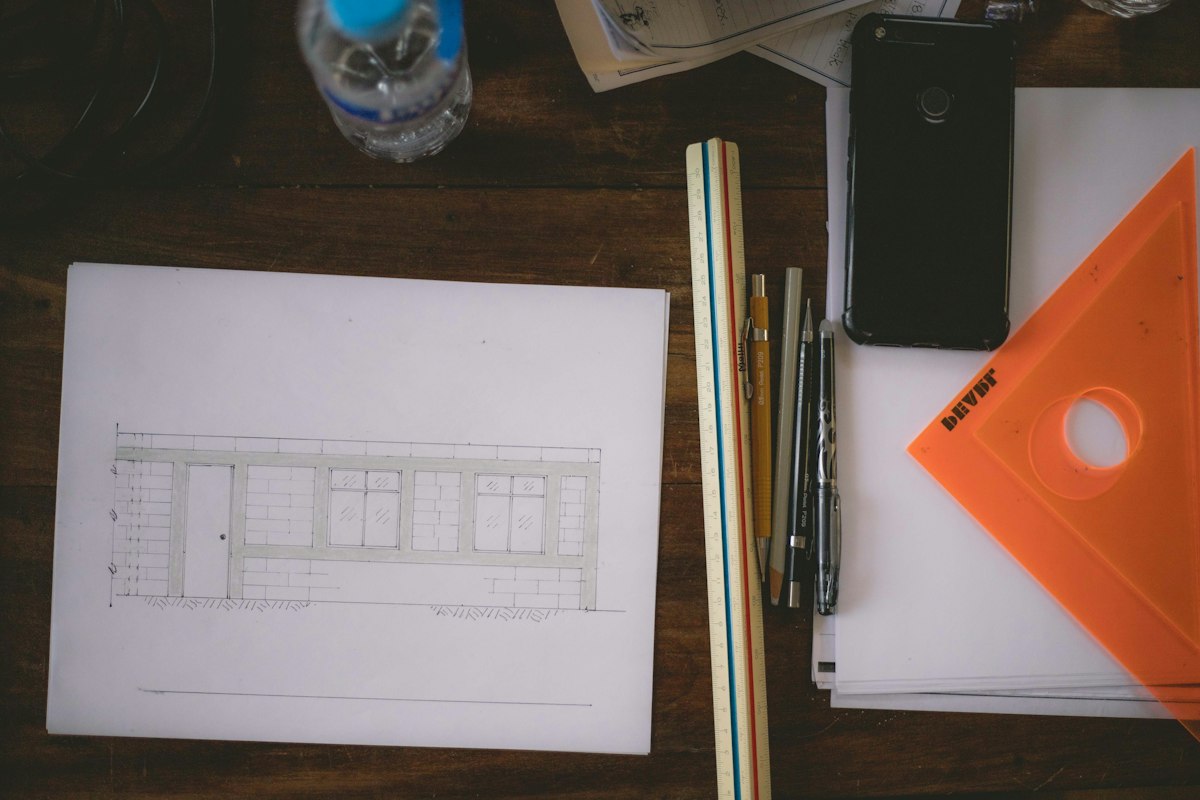
Financing Your Home Improvement: How to Get a Loan for House Renovation Projects
Walking through a dated kitchen or a cramped bathroom often sparks a vision for what your home could...
Read more →We will examine the practicalities of the renovation process, from the first conceptual sketches to the final walkthrough. You will learn how an architect helps you avoid common pitfalls, such as budget overruns caused by poor planning or structural failures that could have been identified early on. Whether you are planning a modest kitchen expansion or a full-scale gut renovation, understanding the professional landscape is the first step toward a successful outcome.
Our objective is to provide a clear framework for making informed decisions about your home. By the end of this discussion, you will understand the specific value an architect brings to a residential project and how to vet a professional who aligns with your vision and budget. Let's look at the foundational elements of this professional relationship and why it often pays for itself in the long run.
Key takeaways
- Structural Integrity and Compliance: Architects ensure your renovation meets local building codes and maintains the structural safety of your home.
- Budget Management: Through detailed construction documents, an architect helps prevent the "change order" spiral that often inflates renovation costs.
- Value Engineering: Professionals can suggest alternative materials or layouts that achieve your goals at a lower price point without sacrificing quality.
- Long-term ROI: Well-designed spaces command higher resale values and provide better functional utility for your family.
The Real Value of an Architect for Home Renovation
When you hire an architect for home renovation, you are not just paying for a set of drawings. You are investing in a comprehensive plan that addresses light, flow, volume, and technical performance. While a contractor is focused on the "how" of building, the architect focuses on the "why" and the "what if." They look at your home as a holistic system rather than a collection of separate rooms. This perspective is essential when you are trying to maximize a limited footprint or solve complex layout issues that have bothered you for years.
Beyond the aesthetics, the architect serves as the project manager for the design phase. They coordinate with structural engineers, MEP (mechanical, electrical, and plumbing) consultants, and local building departments. This coordination is often invisible to the homeowner until something goes wrong. By catching a conflict between a plumbing stack and a structural beam on paper, the architect saves you thousands of dollars in onsite demolition and reconstruction costs.
When Should You Hire an Architect?
Not every home project requires a licensed architect. If you are simply replacing cabinets, updating tile, or painting, a talented interior designer or a reputable contractor may suffice. However, as soon as you move into the territory of structural changes, the calculation shifts. Are you moving a load-bearing wall? Are you adding a second story or extending the footprint of the house? These scenarios require professional oversight to ensure the house remains standing and the project is legal.
Commercial intent often dictates the level of professional involvement. If your goal is to significantly increase the market value of a high-end property, the "architect-designed" label carries weight with future buyers. It signals that the renovation was handled with a level of intentionality and quality that DIY or contractor-led designs often lack. If your project involves complex permitting—such as working within a historic district or meeting strict environmental regulations—an architect is almost always mandatory.
Understanding Architect Fee Structures
One of the primary concerns for homeowners is the cost. Architects typically use one of three common billing methods, and understanding these will help you budget effectively. Fees are not just an extra cost; they are a percentage of the project dedicated to ensuring the other 90% of your budget is spent wisely.
Percentage of Construction Cost
This is perhaps the most common model for residential renovations. Architects typically charge between 8% and 15% of the total construction cost. This aligns the architect's effort with the complexity of the project. A high-end, custom renovation with intricate detailing will require more hours of design and oversight than a straightforward addition, and the fee reflects that reality.
Hourly Rates
For smaller projects or the initial discovery phase, many architects charge an hourly rate. This can range from $150 to $350 per hour depending on the firm's experience and location. This model is useful if you only need a professional to review some ideas or perform a feasibility study before committing to a full design contract.
Fixed Fees
Some firms offer a fixed fee for a clearly defined scope of work. This provides the homeowner with budget certainty. However, be aware that if you change the scope significantly mid-project—such as deciding to add a basement renovation halfway through a kitchen project—the architect will likely issue an additional service agreement.
The Phases of a Professional Renovation
Working with an architect for home renovation follows a logical progression. Understanding these phases helps you manage your expectations and keeps the project on track. Skipping phases to save time almost always results in mistakes during construction.
1. Schematic Design (SD)
This is the brainstorming phase. The architect listens to your needs, measures your existing home, and creates rough sketches. You might see several different ways to solve the same problem. The goal here is to establish the general size, shape, and relationship of the spaces. Do you want the kitchen open to the living room, or would you prefer a formal dining area? These questions are answered here.
2. Design Development (DD)
Once you approve a schematic direction, the architect begins to refine the details. This includes selecting materials, defining window placements, and integrating structural elements. This is the stage where the "look and feel" of the renovation truly takes shape. You will begin to see more detailed floor plans and perhaps 3D renderings to help you visualize the final product.
3. Construction Documents (CD)
This is the most technical and time-consuming phase. The architect produces the "blueprints" that the contractor will use to build and the city will use to issue permits. These drawings include everything from electrical layouts to specific wall sections and trim details. The more detailed these documents are, the more accurate your contractor's bid will be.
4. Bidding and Negotiation
Your architect can help you find qualified contractors and review their bids. It is rarely wise to simply pick the lowest number. An architect can spot if a contractor has missed a significant part of the scope or if their pricing for a specific material is unrealistic. This "apples-to-apples" comparison is a major benefit of professional oversight.
5. Construction Administration (CA)
The architect's job doesn't end when construction starts. During this phase, they visit the site periodically to ensure the contractor is following the plans. They review "shop drawings" for custom items and answer technical questions from the field. If an unexpected issue arises—like a hidden pipe in a wall—the architect provides the solution, ensuring the design integrity is maintained.
How to Vet the Right Architect
Finding the right architect for home renovation is like finding a long-term partner. You will be communicating with this person frequently for six months to a year. Start by looking at their portfolio, but don't just look at the pictures. Ask about the challenges they faced on those projects and how they solved them. Did they stay on budget? How did they handle disagreements with the contractor?
Communication style is equally important. You need someone who listens to your needs but isn't afraid to tell you when an idea won't work or will exceed your budget. A good architect should be able to explain complex technical issues in plain English. If you feel intimidated or ignored during the initial consultation, it is unlikely the relationship will improve during the high-stress phases of construction.
Common Risks of Skipping Professional Design
The temptation to "wing it" or use a basic draftsperson is strong when budgets are tight. However, the risks are substantial. Without a professional architect, you may end up with spaces that feel awkward or dark. You might choose materials that look great but don't hold up to your family's lifestyle. Worse, you could face legal issues if the work was done without proper permits or didn't meet safety codes.
Change orders are the biggest budget killers in renovation. These happen when the contractor discovers something wasn't planned for or when the homeowner changes their mind mid-build. A comprehensive set of architectural drawings minimizes these surprises. By spending more on the design phase, you significantly reduce the likelihood of expensive errors during the build phase.
FAQ
How much does it cost to hire an architect for a home renovation?
Architect fees typically range from 8% to 15% of the total construction cost for a full suite of services. For a $200,000 renovation, you should expect to pay between $16,000 and $30,000. Some architects also offer hourly consultations for $150 to $350 per hour if you only need limited advice.
Is an architect necessary for a small kitchen or bathroom remodel?
Usually, no. If you aren't moving walls, changing plumbing locations, or altering the structure, a specialized kitchen and bath designer or a high-end contractor can handle the project. An architect is most valuable when the project involves structural changes, complex permits, or a complete spatial reorganization.
What is the difference between an architect and a draftsperson?
An architect is a licensed professional with years of university training and a rigorous internship. They are trained in design theory, engineering, and project management. A draftsperson is skilled at creating technical drawings but may lack the design expertise and professional liability insurance that an architect provides.
How long does the architectural design process take?
For a standard home renovation, the design and permitting phase can take anywhere from three to six months. This includes several rounds of revisions, coordination with engineers, and the time it takes for your local building department to review and approve the plans.
Can an architect help me save money on my renovation?
Yes, through a process called value engineering. An architect can suggest smarter ways to use space, alternative materials that look similar to high-end options but cost less, and design details that simplify the construction process. Their involvement often prevents the need for costly repairs or renovations later on.
Conclusion
Hiring an architect for home renovation is an investment in the longevity and quality of your most valuable asset. While the upfront fees can seem daunting, the professional expertise provided ensures that your project is safe, legal, and aesthetically cohesive. A well-executed design not only improves your daily quality of life but also protects your financial interests by maximizing resale value and minimizing construction errors. If you are planning a project that involves structural changes or complex design challenges, partnering with a professional architect is the most reliable path to turning your vision into a reality.