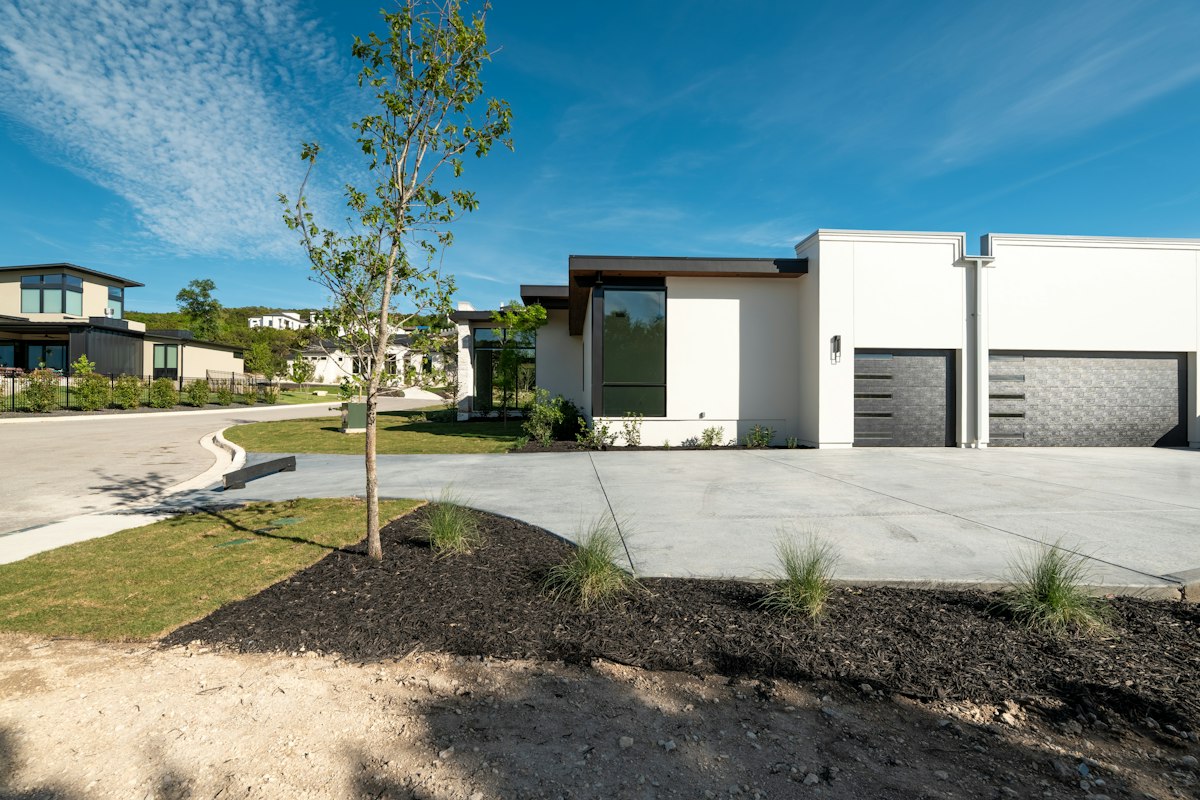
Fresh Starts: The Search for New Houses For Sale Near Me
Searching for a home feels like a full-time job. You spend hours scrolling through listings, looking for that perfect balance of modern design and a convenient location. The phrase "new houses for sale near me" represents more than just a search query; it is a desire for a clean slate where no one else has lived before. It is the dream of a kitchen where the appliances are untouched and a floor plan that reflects modern living rather than the architectural trends of the 1970s.
This discussion explores the current market for new construction. We will look at why modern floor plans are winning over older layouts and what you should actually expect when stepping into a model home. From energy-efficient appliances to the nuances of builder warranties, there is a lot to cover before you sign a contract. Buying a brand-new property is a different animal compared to purchasing a resale home. The timelines are different, the negotiations follow a specific rhythm, and the financial incentives can be surprisingly flexible if you know where to look.
Related posts
Direct Cash Buyers: Real Costs, Speed, and Options When Companies Buy Your House
Deciding to sell real estate often brings a wave of major decisions, especially when you need a fast...
Read more →Finding the Best New Build Homes for Sale: Your Path to a Modern Property
Searching for new build homes for sale often begins with a desire for simplicity and a fresh start....
Read more →
Finding Your Next Home Among Local New Construction Projects
Searching for a home often feels like a series of compromises. You find a great neighborhood but the...
Read more →
Locating New Builds Near Me: Practical Strategies for Homebuyers
Finding the right home can feel exhausting, especially when traditional housing inventory is low or existing properties require...
Read more →We are focusing on practical advice that helps you distinguish between a high-quality build and a rushed project. Whether you are looking for a suburban estate or a modern townhouse, the principles of smart buying remain the same. By the end of this article, you will have a clearer picture of the local market and the steps needed to secure a property that fits your lifestyle. Let's look at the details that matter most for your next big move.
The decision to buy a new home often stems from a need for reliability. Older homes come with a history of repairs, hidden leaks, and outdated wiring. A new build offers a sense of security, backed by modern building codes and manufacturer guarantees. However, the process requires a different set of skills and a keen eye for detail to ensure you are getting the best value for your investment.
Key takeaways
- Research builder reputations by visiting older communities they completed five to ten years ago to see the build quality over time.
- Budget for post-closing expenses such as window treatments, landscaping, and fencing, which are often not included in the base price.
- Prioritize structural upgrades over cosmetic ones during the design phase, as things like extra outlets or reinforced framing are harder to change later.
- Secure independent representation through a buyer's agent who specializes in new construction to protect your interests against the builder's sales team.
The Appeal of Modern Architecture and Layouts
One of the primary reasons people search for new houses for sale near me is the evolution of home design. Older homes often feature segmented rooms and small windows. In contrast, new construction prioritizes the open-concept layout. This design philosophy emphasizes the flow between the kitchen, dining area, and living room, creating a space that feels larger and more inclusive for families and guests.
Natural light is another area where new homes excel. Builders now use larger, more efficient windows that brighten the interior without compromising the home's thermal performance. You will also find that modern homes are designed with contemporary technology in mind. This includes built-in charging stations, smart thermostats, and pre-wiring for high-speed internet and home security systems. These features are often integrated into the build, saving you the headache of retrofitting an older structure.
Storage is also reimagined in new builds. Walk-in closets, mudrooms with custom cubbies, and walk-in pantries are standard features in many new developments. These additions reflect the way people live today, providing organized spaces for the gear and groceries that often clutter older homes. When you walk through a new house, you are seeing a space designed for the current decade, not a relic of the past.
Financial Incentives and the Cost of Ownership
The price tag on a new home can be intimidating, but the long-term financial picture often tells a different story. One of the most significant advantages is energy efficiency. New houses are built with advanced insulation, high-efficiency HVAC systems, and energy-star-rated appliances. These components work together to lower monthly utility bills significantly compared to a home built twenty years ago. The savings on heating and cooling can often offset a portion of a higher mortgage payment.
Builders frequently offer financial incentives that you won't find in the resale market. To move inventory or hit quarterly targets, a builder might offer to pay a significant portion of the closing costs or provide a "rate buy-down." A rate buy-down allows the builder to pay points upfront to lower your interest rate for the first few years of the loan, or even the life of the loan. This can make a substantial difference in your monthly affordability.
Maintenance costs are another factor to consider. With a new home, the roof, water heater, and furnace are all at the beginning of their life cycles. You are unlikely to face a major repair bill for several years. Furthermore, most new homes come with a builder's warranty. These typically cover workmanship and materials for the first year, mechanical systems for two years, and structural elements for up to ten years. This peace of mind has a tangible financial value.
The Spectrum of New Construction: Spec vs. Custom
When looking for new houses for sale near me, you will encounter different types of builds. The most common is the spec home, short for speculative home. These are houses that the builder has already started or completed without a specific buyer in mind. The advantage of a spec home is the timeline; you can often move in within 30 to 60 days. The downside is that the finishes—like flooring, countertops, and paint colors—have already been chosen by the builder's design team.
On the other end of the spectrum is the "to-be-built" or custom home. This path allows you to select the lot, the floor plan, and every single finish in the house. While this offers the highest level of personalization, it requires patience. Construction can take anywhere from six months to over a year, depending on the complexity and local permit speeds. You also need to be prepared for the "design center" experience, where costs can quickly escalate as you choose premium upgrades.
Semi-custom homes offer a middle ground. Builders usually have a set of pre-approved floor plans, but they allow you to make minor modifications, such as adding a sunroom or changing the layout of the primary bathroom. This provides a balance of personalization and a more predictable construction timeline. Understanding which of these categories fits your needs will help narrow your search efficiently.
Evaluating the Neighborhood and Future Growth
Buying a house also means buying into a community. In new developments, you are often one of the first residents. It is important to look beyond the model home and investigate the developer's plan for the entire neighborhood. Will there be a park? Is a commercial center planned nearby? These factors heavily influence future property values. You should ask to see the master plan for the community to understand what the area will look like in five years.
Homeowners Associations (HOAs) are a common feature of new subdivisions. While some people dislike the rules and monthly fees, HOAs serve a purpose in maintaining the aesthetic and functional quality of the neighborhood. They ensure that common areas are landscaped, amenities are maintained, and neighbors don't leave rusted cars on their lawns. Review the HOA covenants and restrictions carefully to ensure they align with your lifestyle, especially regarding pets, parking, and exterior modifications.
Consider the commute and local infrastructure as well. Often, new houses are built on the outskirts of established areas where land is more available. While the home itself might be perfect, you must weigh the cost of a longer commute and the availability of schools, grocery stores, and medical facilities. A beautiful home in a location that adds two hours to your daily travel may lose its charm quickly.
The Inspection Myth: Why New Homes Need a Second Look
A common mistake buyers make is assuming that a brand-new house is a perfect house. Even the most reputable builders use subcontractors who may cut corners or make mistakes under tight deadlines. This is why an independent home inspection is essential. You should consider a three-phase inspection process: the pre-pour (before the foundation is poured), the pre-drywall (once the framing and wiring are in), and the final walk-through.
The pre-drywall inspection is particularly useful because it allows the inspector to see the "bones" of the house. They can check for proper framing, plumbing connections, and electrical routing before everything is hidden behind walls. If issues are found at this stage, they are much easier and cheaper for the builder to fix. A final inspection before closing ensures that all systems are functioning and that the finish work meets acceptable standards.
During the final walk-through, you will also perform a "blue tape" inspection. This is your chance to mark every cosmetic flaw, from paint drips to scratched floorboards. The builder's representative will walk with you and note these items on a punch list. Do not feel pressured to rush this process. It is much easier to get these items fixed before you move your furniture in and the builder moves their crew to the next lot.
Negotiating the Best Deal with Builders
Negotiating for a new house is different than negotiating for a resale. Builders are often reluctant to drop the base price of a home because it sets a lower comparable value for the remaining lots in the community. If they sell you a house for $20,000 less than the neighbor, they have effectively lowered the value of every other house they are trying to sell. Instead of a price cut, focus on incentives and upgrades.
You can often negotiate for a higher grade of carpet, better kitchen appliances, or a finished garage at no extra cost. Another effective strategy is asking the builder to cover all closing costs. This keeps the sales price high for their records but reduces the amount of cash you need to bring to the table. Timing can also play a role. Builders often have sales goals at the end of the month, quarter, or year. Purchasing a home that is already built and ready for move-in (a spec home) near the end of a quarter can give you significant leverage.
Always remember that the sales agent in the model home works for the builder, not for you. Their job is to get the highest price and the best terms for the construction company. Bringing your own real estate agent ensures that someone is looking out for your interests. Most builders will pay the buyer's agent commission, but only if the agent is present during your very first visit to the community. Don't walk into a model home alone if you want professional representation.
FAQ
Is a real estate agent necessary when buying a new build?
Having your own agent is highly recommended. The builder's sales representative is focused on the builder's bottom line. An independent agent helps you compare different builders, understand the fine print in the contract, and provides leverage during the negotiation of upgrades and closing costs. In most cases, the builder pays the agent's commission, so the service is free to you as a buyer.
Are new construction homes more expensive to insure?
Actually, new construction homes are often cheaper to insure than older properties. Insurance companies view new homes as lower risk because the roof, electrical, and plumbing systems are brand new and built to current safety codes. Additionally, modern fire-resistant materials and security features can lead to lower premiums. It is always best to get a quote early in the process to confirm your specific costs.
What does a standard builder warranty cover?
Most builders provide a 1-2-10 warranty. This typically includes one year of coverage for labor and materials (fixing things like nail pops or trim issues), two years for mechanical systems (HVAC, plumbing, and electrical), and ten years for major structural defects. It is important to read the specific warranty document provided by your builder, as coverage limits and claim processes vary significantly.
Can the price of a new house increase after signing the contract?
In some cases, yes. Many new construction contracts include an "escalation clause" or a "material surcharge clause." These allow the builder to increase the price if the cost of materials like lumber or steel rises significantly during the build process. Before signing, have an attorney or agent review the contract to see if there is a cap on these increases or if you have the right to cancel the contract if the price goes up too much.
When is the best time to look for new houses for sale near me?
The end of the year is often the best time to find a deal. Builders are looking to clear their inventory before the new year and may be more willing to offer aggressive incentives or upgrades. Additionally, visiting a community when it is in its very first phase of development can lead to lower prices, as builders want to establish momentum and get the first few homes occupied quickly.
Conclusion
Choosing a new home is a significant commitment that offers a unique set of rewards. From the efficiency of modern appliances to the psychological peace of a fresh start, the benefits of new construction are clear. However, success in this market requires more than just picking a floor plan. It demands a thorough investigation of the builder, a clear understanding of the financial incentives, and the discipline to insist on independent inspections.
As you continue your search for new houses for sale near me, keep your long-term goals in mind. Focus on the quality of the structure and the potential of the neighborhood rather than just the shiny finishes in the model home. By staying informed and asking the right questions, you can secure a modern, efficient home that serves as a solid foundation for your future. Take the time to compare your options, and don't be afraid to negotiate for the value you deserve.